Month: August 2026

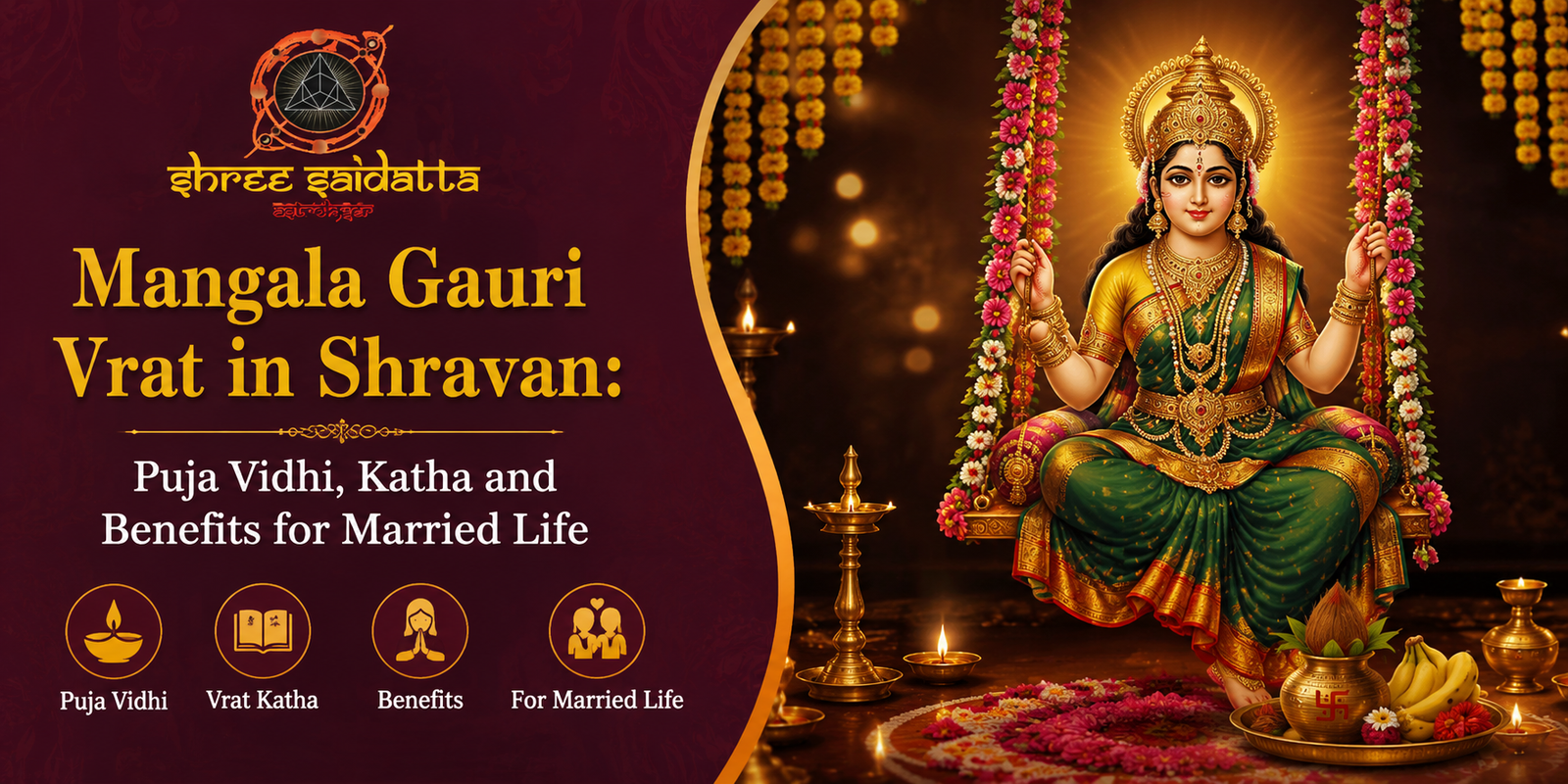
Mangala Gauri Vrat in Shravan: Puja Vidhi, Katha and Benefits for Married Life

Every Tuesday during the holy month of Shravan, homes across Maharashtra and the rest of India come alive with a quiet but powerful ritual — women dressed in red, a small altar glowing with a ghee lamp, and the soft recitation of an age-old katha. This is the Mangala Gauri Vrat, a sacred fast dedicated to Goddess Gauri (Devi Parvati), observed with deep faith for a happy, peaceful, and long-lasting married life.

Whether you’re newly married, planning your wedding, or simply curious about why this vrat holds such importance in Sawan, this guide covers everything — the puja vidhi, the katha, the real benefits, and the exact dates for 2026.


What Is Mangala Gauri Vrat?


Mangala Gauri Vrat is a fast observed on every Tuesday of Shravan, dedicated to seeking Goddess Gauri’s blessings for marital happiness, a spouse’s long life, and overall family harmony. Married women — especially those in their first five years of marriage — keep this fast for their husband’s health and longevity. Unmarried women also observe it, praying for a loving and compatible life partner.

Traditionally, the vrat is observed for five consecutive years after marriage, concluding with an Udyapan ceremony that marks the completion of the ritual cycle.


Mangala Gauri Vrat 2026 Dates


If you’re in Maharashtra or follow the Amanta calendar (as is common across Western and South India), here are this year’s dates:

  • First Vrat: August 18, 2026
  • Second Vrat: August 25, 2026
  • Third Vrat: September 1, 2026
  • Fourth Vrat: September 8, 2026

Each of these falls on a Tuesday during Shravan, the month considered most auspicious for worshipping Lord Shiva and Devi Parvati together.


Benefits of Mangala Gauri Vrat for Marriage and Married Life


This is where the vrat holds the most significance for women — and why it continues to be observed with such devotion generation after generation.


  1. Akhand Saubhagya (Unbroken Marital Fortune)
    Married women pray for an unbroken, prosperous married life, seeking protection from separation, misfortune, or hardship in the relationship.
  2. Marital Harmony
    The worship of Goddess Gauri is believed to strengthen emotional bonds between spouses — improving mutual understanding, communication, and peace at home. If you’re looking for practical happy married life tips beyond ritual, this emotional alignment is often the first thing astrologers recommend working on.
  3. Blessings for Unmarried Women
    Young, unmarried women observe the fast hoping for a devoted and compatible life partner — making it one of the most popular vrats among women preparing for marriage.
  4. Astrological Remedy for Manglik Dosha
    In Vedic astrology, Tuesday is ruled by Mars (Mangal). Keeping this fast is believed to pacify a weak or afflicted Mars in the horoscope, reducing the negative effects of Manglik Dosha. Many women pair this observance with a proper horoscope matching consultation for deeper clarity — the spiritual practice alongside the astrological one — especially when marriage compatibility astrology is a concern before finalizing a match.
  5. Household Prosperity
    Beyond the marital angle, the vrat is also linked to overall family well-being — inviting positive energy, harmony, and financial stability into the household.


Mangala Gauri Vrat Puja Vidhi


The rituals are simple but deeply symbolic. Here’s how the puja is traditionally performed:

  1. Morning Preparation: Devotees bathe early, wear clean (often red) clothes, and set up a purified worship space at home.
  2. Deity Installation: An idol or symbol of Goddess Gauri (sometimes represented as Goddess Annapurna) is placed alongside Lord Shiva.
  3. Offerings: A red chunri, fresh flowers, turmeric, kumkum, sweets, and the sixteen traditional bridal adornments — known as solah shringar — are offered to the Goddess.
  4. Katha Recitation: The Mangala Gauri Vrat katha is read aloud or listened to, narrating the story and significance behind the fast.
  5. Aarti: A ghee lamp, often with multiple wicks, is lit, and the aarti is performed with full devotion.
  6. Evening Meal: The fast — whether a strict fast or a fruit-based one — is broken only after the evening prayers are completed.


Solah Shringar Items List


Since the sixteen adornments are central to the puja, here’s what’s typically included: bangles (choodiyan), sindoor, bindi, mehendi, kajal, a nose ring (nath), earrings, a mangalsutra, anklets (payal), toe rings (bichhiya), a hair accessory, perfume (ittar), a red or auspicious-colored saree, flowers for the hair, kumkum, and a hand mirror. These items symbolically represent complete marital fortune and are offered to the Goddess as part of the ritual.


Mangala Gauri Vrat Katha


No Mangala Gauri Vrat is considered complete without listening to or reading the vrat katha. The story traditionally centers on the power of devotion and faith — narrating how sincere worship of Goddess Gauri brought marital happiness, protection, and prosperity to the devotee in the tale. Reciting this katha is believed to reinforce the intent behind the fast and deepen its spiritual benefit.


Regional Traditions: How It’s Celebrated in Maharashtra


In Maharashtra, Mangala Gauri Vrat carries a distinctly festive, community flavor. Evening gatherings often bring women together for traditional folk performances like fugdi and zimma — rhythmic group dances and games that add a joyful, social dimension to what is otherwise a solemn day of fasting. These celebrations are part of what makes Shravan such a vibrant month across Pune and the rest of the state.


Mantras for a Happy Married Life


Alongside the katha, many devotees also chant simple mantras to Goddess Gauri and Lord Shiva during the puja — invoking blessings for marital peace and their spouse’s wellbeing. If you’re unsure which mantra suits your specific horoscope or situation, it’s worth getting a professional reading rather than relying on generic online lists, since the right remedy often depends on individual planetary positions.


A Quick Note on Sawan Somwar Vrat


While Mangala Gauri Vrat falls on Tuesdays, many households in the same month also observe the Sawan Somwar Vrat — a separate fast kept on Mondays, dedicated specifically to Lord Shiva. The two vrats are often observed together across the same Shravan month, though they serve slightly different purposes and follow different rituals.


Why This Vrat Still Matters Today


In a time when most rituals compete for relevance against busy schedules, Mangala Gauri Vrat has held on — not just as tradition, but because it genuinely gives women a structured, faith-based way to invest emotional energy into their marriage. Whether or not you follow every ritual to the letter, the underlying intent — strengthening the marital bond and seeking wellbeing for your spouse — resonates across generations.


If you’ve recently gotten married or are planning to, you may also find it useful to read our detailed guide on kundali matching, which explains how compatibility is assessed even before the wedding takes place, giving you a fuller sense of what to expect in married life ahead.


Final Thoughts


Mangala Gauri Vrat is as much an emotional practice as a spiritual one — a dedicated space, once a week through Shravan, to focus entirely on your marriage and your spouse’s wellbeing. If you’d like personalized guidance on your horoscope, Manglik status, or marriage compatibility ahead of this Shravan, you can always get in touch with us for expert advice.

Frequently Asked Questions

Who should observe Mangala Gauri Vrat?

 Married women (especially in the first five years post-marriage) and unmarried women seeking a suitable life partner both observe this fast.

What are the Mangala Gauri Vrat 2026 dates in Maharashtra?

 August 18, 25, September 1, and September 8, 2026 — every Tuesday during Shravan.

Can Mangala Gauri Vrat help with Manglik Dosha?

 Yes, in Vedic astrology, this Tuesday fast is believed to pacify a weak or afflicted Mars, helping reduce the effects of Manglik Dosha.

What items are needed for the puja?

A red chunri, flowers, turmeric, kumkum, sweets, and the solah shringar items form the core offerings, along with an idol of Goddess Gauri and Lord Shiva.

How long is the vrat traditionally observed?

 It’s typically kept for five consecutive years after marriage, concluding with an Udyapan ceremony.

Is Mangala Gauri Vrat the same as Sawan Somwar Vrat?

 No — Mangala Gauri Vrat falls on Tuesdays and honors Goddess Gauri, while Sawan Somwar Vrat is observed on Mondays for Lord Shiva.
Read More

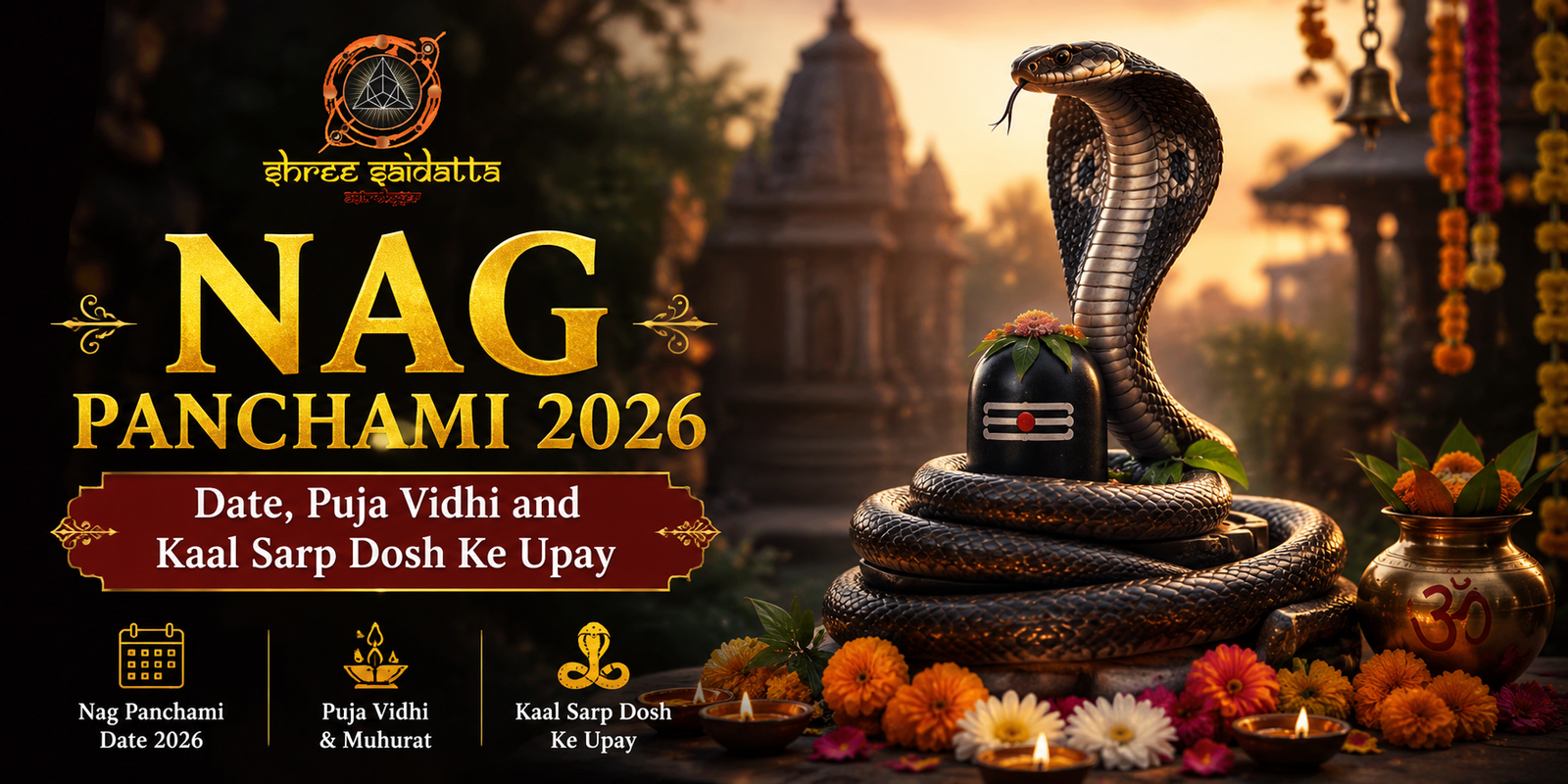
Nag Panchami 2026: Date, Puja Vidhi and Kaal Sarp Dosh Ke Upay

Every year, as the monsoon settles over Maharashtra and the rest of India, homes and temples come alive with the quiet devotion of Nag Panchami. It is one of those festivals that connects us directly to nature — snakes are not feared on this day, they are worshipped as living forms of the divine. For many families, Nag Panchami 2026 also carries a deeper personal significance, because this is the day astrologers most often recommend for anyone dealing with Kaal Sarp Dosh in their birth chart. If you have ever wondered why this dosh keeps coming up in your kundli readings, or what you’re supposed to actually do about it, this blog walks you through the date, the puja vidhi, and the specific kaal sarp dosh ke upay that work best on this sacred day.


Why Is Nag Panchami Celebrated?


Nag Panchami significance goes back thousands of years in Hindu tradition. According to scriptures, snakes (Nagas) are considered protectors of the earth’s hidden treasures and are closely associated with Lord Shiva, who wears the serpent Vasuki around his neck. The festival falls on the fifth day (Panchami) of the bright half (Shukla Paksha) of the month of Shravan, a month already considered highly auspicious for worship.

There are several popular versions of the nag panchami vrat katha passed down through generations. One widely told story speaks of a farmer who unknowingly killed baby snakes while ploughing his field. The grieving mother snake sought revenge, but was moved by the devotion of the farmer’s daughter, who worshipped the Naga deities with such sincerity that the snake blessed the family instead of harming them. This story is often narrated during the puja, and it explains why nag panchami is celebrated with such reverence in rural and urban households alike — it is a reminder to live in harmony with all creatures, especially ones we fear or misunderstand.


Nag Panchami 2026 Date and Shubh Muhurat


Nag Panchami 2026 date falls on Monday, 17th August 2026. The Panchami Tithi typically begins the previous evening and extends into the early hours of the festival day, so it’s important to check the exact muhurat before starting your puja. Traditionally, the best time to perform Nag Panchami puja is during the morning hours, ideally before noon, when the Panchami Tithi is active. Many families in Pune prefer to complete their rituals early, especially if they are also planning kaal sarp dosh nivaran puja on the same day, since certain remedial rituals are considered most effective during specific daytime muhurats.


Nag Panchami Puja Vidhi


The nag panchami puja vidhi is simple, but it should be followed with sincerity rather than haste. Here is the basic method followed in most Maharashtrian households:

  1. Wake up early and take a bath before sunrise. Wear clean clothes, preferably in a traditional color like yellow or red.
  2. Clean the puja area and draw or place an image of Naga Devta — either a painted image, a silver idol, or a clay figure.
  3. Offer milk, turmeric, kumkum, rice grains, and flowers to the Naga idol or image. In many homes, raw milk is offered near anthills or snake burrows as a mark of respect, though this practice is now discouraged by wildlife experts in favor of symbolic offerings at home.
  4. Light a diya and incense sticks, and recite the Nag Gayatri Mantra or simple prayers dedicated to Lord Shiva and the Naga deities.
  5. Read or listen to the nag panchami vrat katha with the family.
  6. Conclude with aarti and distribute prasad, ideally including something sweet like kheer or laddoo.

If you are unable to perform the full ritual at home, visiting a temple that hosts a proper nag panchami puja vidhi ceremony, or consulting an experienced astrologer for a guided puja, is equally acceptable.


What Is Kaal Sarp Dosh?


If you’ve been told you have kaal sarp dosh in your horoscope, you’re not alone — it’s one of the most searched and misunderstood doshas in Vedic astrology. So what is kaal sarp dosh kya hota hai, in simple terms? It occurs when all seven main planets in your birth chart are hemmed between Rahu and Ketu, the two lunar nodes. This planetary alignment is believed to create a kind of energetic blockage, making it harder for a person to experience smooth progress in career, relationships, health, or finances, even when their individual planetary strengths look promising.

Common kaal sarp dosh symptoms that people report include repeated delays in important life events like marriage or career growth, unexplained anxiety or restlessness, recurring obstacles despite hard work, and a general sense of being “stuck” in life. It’s worth noting that not every difficulty in life is caused by this dosh — a proper kundli analysis is necessary before assuming it applies to you. Since this condition forms specifically due to Rahu and Ketu’s placement, it is also closely tied to Ketu dosha remedies, which can offer additional relief alongside the Nag Panchami rituals.


Kaal Sarp Dosh Puja on Nag Panchami


This is where Nag Panchami becomes especially meaningful. Since Rahu and Ketu are directly linked to serpent energy in Vedic astrology, Nag Panchami is considered one of the most powerful days in the year to perform kaal sarp dosh puja. The day’s natural alignment with Naga worship makes remedial rituals more potent, according to traditional belief, which is why so many people specifically schedule their kaal sarp dosh nivaran puja to coincide with this festival rather than any random date.


Kaal Sarp Dosh Ke Upay for Nag Panchami


If you’re looking for kaal sarp dosh ke upay that align with this festival, here are the remedies most commonly recommended:

  • Offer milk and water to a Shivling, ideally early in the morning, along with chanting of the Mahamrityunjaya Mantra.
  • Feed snake charmers’ snakes symbolically through temple donations, since direct feeding is no longer encouraged.
  • Donate silver items shaped like snakes (Naag-Naagin) at a Shiva temple.
  • Recite the Rahu and Ketu beej mantras 108 times using a rudraksha mala.
  • Perform a proper kaal sarp dosh puja under the guidance of a qualified astrologer or priest, rather than attempting complex rituals without supervision.

Among general kaal sarp dosh remedies, these Nag Panchami-specific upay are considered to carry extra weight because the day itself is astrologically tied to serpent energy.


How Much Does Kaal Sarp Dosh Puja Cost?


One question we hear often is about kaal sarp dosh puja cost. Pricing genuinely varies depending on the type of puja (basic vs elaborate), the temple or astrologer conducting it, and whether it includes personalized mantra chanting or a full homam. Rather than choosing based on price alone, it’s worth consulting the best astrologer for a horoscope reading who can first confirm whether the dosh genuinely applies to your chart, and then recommend a puja that matches your specific planetary combination.


Final Thoughts


Nag Panchami is far more than a ritual of offering milk to snake idols — it’s a day rooted in respect for nature and, for many, a genuine opportunity to address deep-rooted astrological blocks like kaal sarp dosh. Whether you’re performing the puja at home following traditional vidhi, or planning a dedicated kaal sarp dosh nivaran puja this year, doing it with the right knowledge and guidance makes all the difference. If you’re unsure whether kaal sarp dosh is affecting your life, you can book a detailed kundli consultation to clear up exactly what’s going on and which remedies will genuinely help you.

Frequently Asked Questions

What is the Nag Panchami 2026 date?

 Nag Panchami 2026 date falls on Monday, 17th August 2026, during the Shukla Paksha of Shravan month.

Is Nag Panchami the best day to perform Kaal Sarp Dosh puja?

Yes, since Rahu and Ketu are closely associated with serpent energy, Nag Panchami is considered one of the most favorable days in the year for kaal sarp dosh puja and kaal sarp dosh nivaran puja.

What are the common kaal sarp dosh symptoms to watch for?

 Frequently reported kaal sarp dosh symptoms include repeated delays in marriage or career, unexplained anxiety, recurring obstacles despite consistent effort, and a persistent feeling of being stuck in life.

How much does kaal sarp dosh puja cost?

Kaal sarp dosh puja cost varies based on the type of puja, whether it includes a homam, and who is conducting it. It’s best to consult an astrologer directly for accurate pricing based on your specific chart.

What are some simple kaal sarp dosh ke upay I can do at home?

Simple kaal sarp dosh ke upay include offering milk and water to a Shivling, chanting Rahu-Ketu beej mantras with a rudraksha mala, and donating silver Naag-Naagin idols at a Shiva temple, ideally on Nag Panchami itself.

Read More

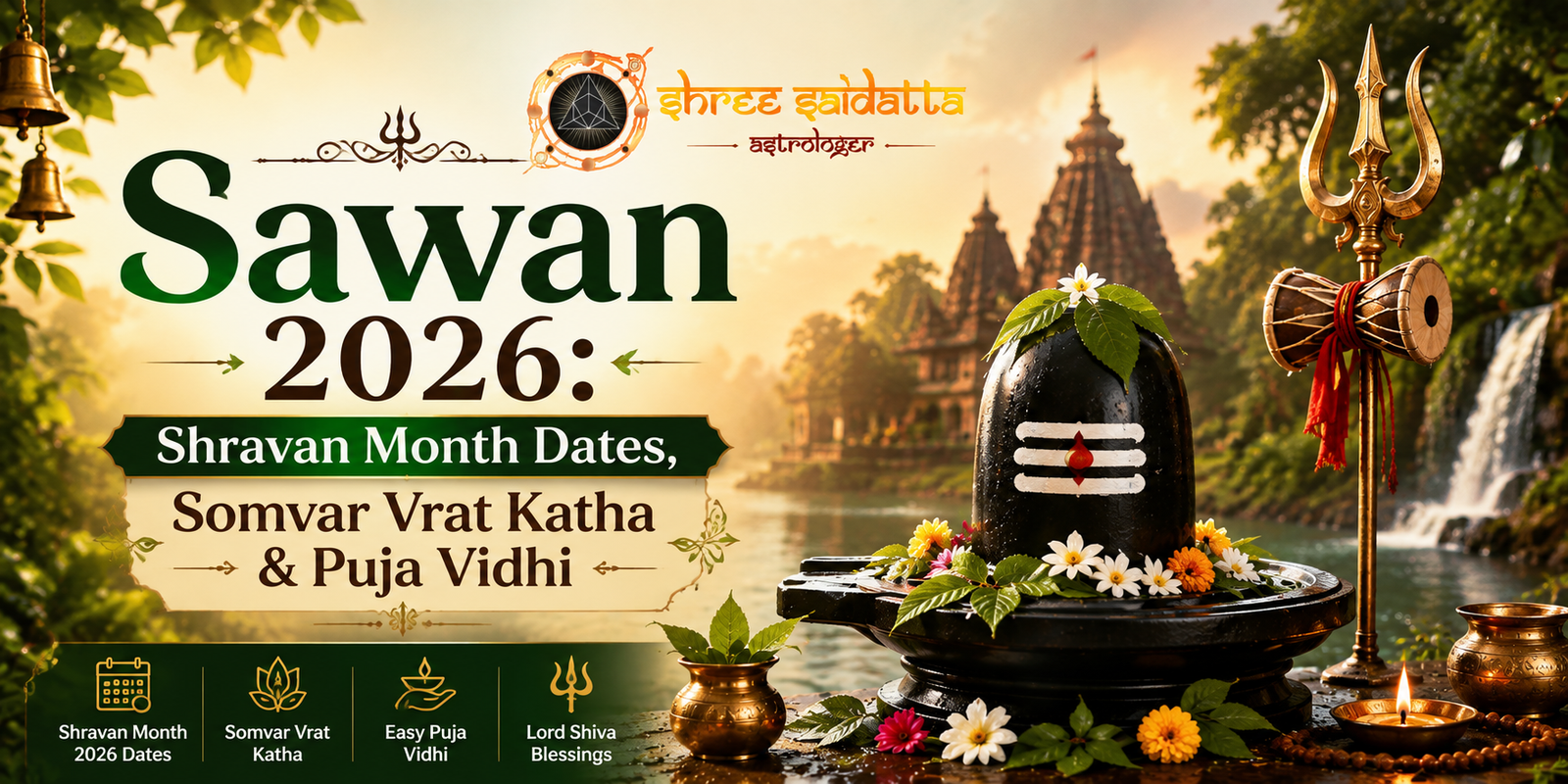
Sawan 2026: Shravan Month Dates, Somvar Vrat Katha & Puja Vidhi

Shravan, also known as Sawan, is one of the most sacred months in the Hindu calendar and is devoted entirely to Lord Shiva. Every year, millions of devotees observe Somvar (Monday) fasts during this month, believing that Lord Shiva blesses sincere devotees with health, peace, and prosperity. If you have been searching for Sawan 2026 dates, Shravan Somvar Vrat Katha, or the correct puja vidhi to follow, this guide covers everything you need to know.


When Does Shravan Month 2026 Start and End?


One common source of confusion every year is that Shravan dates differ depending on which part of India you live in. This happens because North India follows the Purnimanta calendar, while Maharashtra and most of western and southern India follow the Amanta calendar.

Maharashtra & South India (Amanta calendar): Shravan Maas 2026 runs from August 13 to September 11, 2026.

North India (Purnimanta calendar): Shravan Month 2026 runs from July 30 to August 28, 2026.

If you live in Pune, Mumbai, or anywhere else in Maharashtra, the Amanta calendar dates above are the ones relevant to you. This is also why searches for “Shravan Somvar 2026 Maharashtra” often show different dates compared to searches from Delhi or Uttar Pradesh — both are correct, just based on different regional calendars.


Shravan Somvar Vrat Dates 2026 (Maharashtra Calendar)


For devotees in Maharashtra and western India, the four Somvar Vrat dates to mark on your calendar this year are:

  • 1st Somvar Vrat: Monday, August 17, 2026 (this also coincides with Nag Panchami)
  • 2nd Somvar Vrat: Monday, August 24, 2026
  • 3rd Somvar Vrat: Monday, August 31, 2026
  • 4th Somvar Vrat: Monday, September 7, 2026

Many devotees consider the first Somvar Vrat especially important, as it sets the tone for the entire month of devotion. Since it falls on Nag Panchami this year, it is considered an even more auspicious day to begin your Shravan fasting and Shiv Puja.


The Legend Behind Shravan Somvar Vrat Katha


Every ritual in Hindu tradition carries a story, and the Shravan Somvar Vrat is no exception. The most widely told Vrat Katha describes a wealthy merchant who lived in a prosperous city but remained deeply unhappy because he had no children. Despite his wealth, he felt his life was incomplete.

Out of devotion and desperation, the merchant turned to Lord Shiva with unwavering faith, observing the Somvar fast with complete sincerity. Moved by his devotion, Lord Shiva and Goddess Parvati blessed him with a son. However, there was a condition — the child was destined to have a very short life.

As the story unfolds, it is the boy’s mother who ultimately changes his fate. Through her continued faith, strict observance of the Monday fast, and unwavering devotion to Lord Shiva even after the child’s birth, she is able to extend her son’s life. The katha is usually read aloud in the evening, just before devotees break their fast, as a reminder of the power of sincere devotion.

The core message of this story is simple yet powerful: those who observe the Shravan Somvar Vrat with a pure heart and true faith are blessed with good health, wealth, and freedom from life’s sorrows — no matter how difficult their circumstances may seem.


Shravan Somvar Puja Vidhi: Step-by-Step Rituals


If you are observing the Somvar Vrat this Shravan, following the correct puja vidhi is considered essential for the fast to be effective. Here is the traditional method followed by most devotees:

  1. Wake up early and purify your space. Rise before sunrise, take a bath, and clean your home and puja area thoroughly. Wearing clean clothes, preferably in white or light colors, is considered auspicious for Shiv Puja.
  2. Visit a Shiva temple. While home puja is acceptable, visiting a Shiva temple on Somvar is considered especially beneficial during Shravan.
  3. Perform Abhishek on the Shivling. This is the central ritual of the day. Devotees pour clean water, milk, honey, and curd over the Shivling one after another, each representing purity, nourishment, sweetness, and prosperity.
  4. Offer Bel Patra and other items. Bilva (bel patra) leaves are considered extremely dear to Lord Shiva and are offered along with white flowers and sandalwood paste (chandan). Many devotees also offer dhatura and akand flowers, which are traditionally associated with Shiva worship.
  5. Chant the sacred mantras. Throughout the day, devotees recite the Panchakshari mantra “Om Namah Shivaya” or the Mahamrityunjaya Mantra. These mantras are believed to bring peace of mind, remove obstacles, and protect against untimely difficulties.
  6. Read or listen to the Vrat Katha. In the evening, before breaking the fast, the Somvar Vrat Katha is read or narrated to reaffirm faith and understand the significance of the day’s observance.
  7. Break the fast with satvik food. The fast is typically broken with simple, sattvic meals — often fruits, milk-based dishes, or foods made without onion and garlic — after the evening puja is complete.


Fasting Rules to Keep in Mind


While rules can vary slightly by family tradition, most devotees follow these general fasting guidelines during Shravan Somvar:

  • Avoid grains, non-vegetarian food, onion, and garlic through the day.
  • Many devotees consume only fruits, milk, or a single satvik meal in the evening.
  • Water and milk are permitted throughout the fast for most people.
  • Those with health conditions, pregnant women, and elderly individuals are advised to modify the fast according to their doctor’s or family astrologer’s guidance rather than following it strictly.


Why Shravan Month Holds Such Deep Importance


Shravan is regarded as Lord Shiva’s most beloved month according to Hindu tradition, which is why the entire period — not just Mondays — is considered spiritually significant. Devotees often use this month to start new spiritual practices, perform Vastu and puja-related remedies for their homes, and seek astrological guidance for ongoing personal or family challenges. Since Shravan Somvar coincides with a period of heightened devotional energy, many people also choose this month to consult an astrologer for marriage compatibility, career decisions, or remedies related to health and finance.


Final Thoughts


Whether you are observing the Somvar Vrat for the first time or have followed this tradition for years, Shravan Month 2026 offers a meaningful opportunity to reconnect with faith, discipline, and devotion to Lord Shiva. If you would like personalized guidance on which remedies, pujas, or fasting practices are best suited to your horoscope this Shravan, feel free to book a consultation with Pandit Pravin Shastri at Shree Saidatta Jyotish, Pune’s trusted name in Vedic astrology for over 25 years.

Frequently Asked Questions

When is Shravan 2026 in Maharashtra?

Shravan 2026 in Maharashtra begins on August 13 and ends on September 11, 2026, following the Amanta calendar.

How many Somvar Vrats are there in Shravan 2026?

There are four Somvar Vrats in Maharashtra this year, falling on August 17, August 24, August 31, and September 7, 2026.

Which is the most important Somvar of Shravan?

The first Somvar is considered particularly significant, and in 2026 it holds extra importance as it coincides with Nag Panchami on August 17.

Can I do the Shravan Somvar Vrat without a full day fast?

Yes. Many devotees observe a modified fast, eating fruits or a single satvik meal, especially if health does not permit a strict fast. The devotion and puja matter more than the strictness of the fasting itself.

What should I offer Lord Shiva during Shravan Somvar Puja?

The most important offerings are bel patra (bilva leaves), clean water, milk, honey, curd, white flowers, and sandalwood paste during the Abhishek. These offerings are believed to please Lord Shiva and bring peace, prosperity, and the fulfillment of sincere wishes.

Read More